Column · @remingtonywwt551
Everything You Should Know About TRT Replacement Therapy Near Me
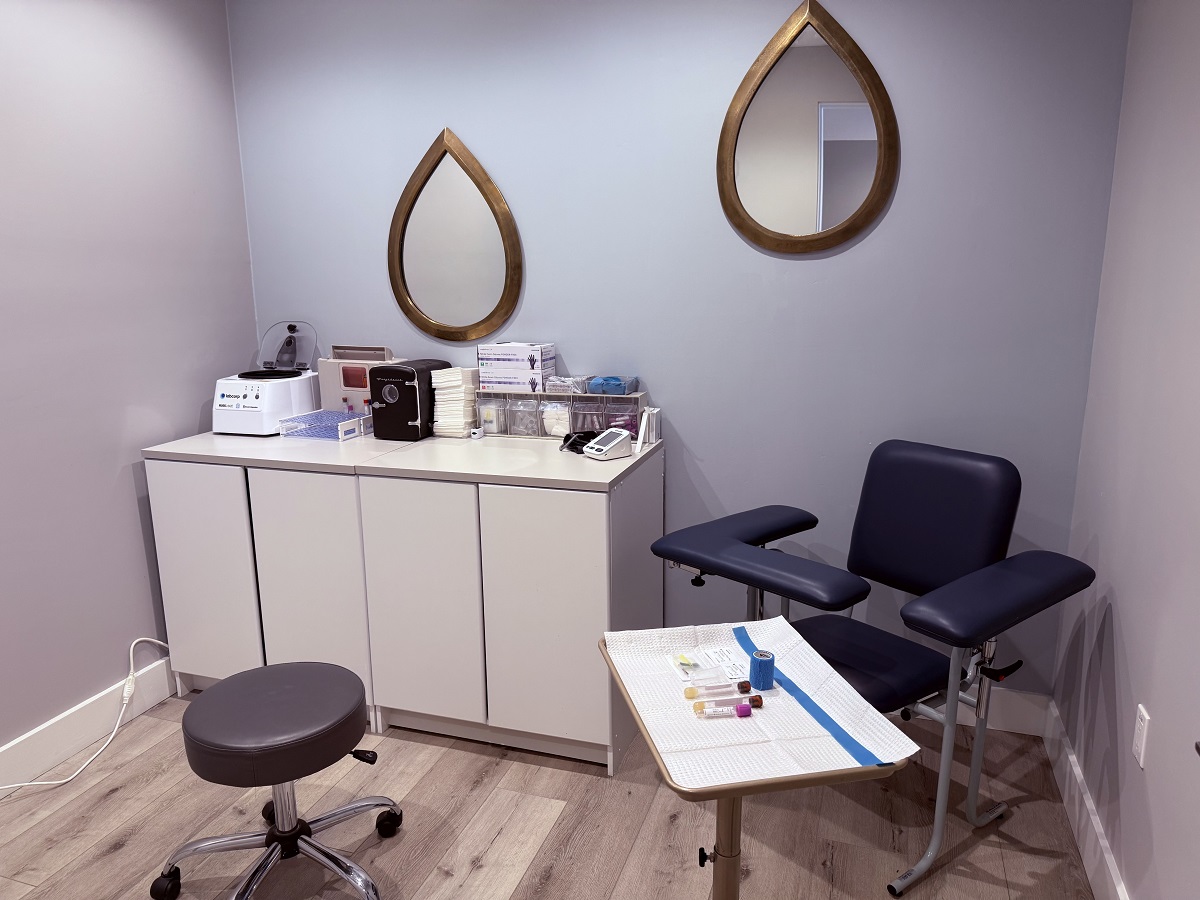


Testosterone replacement therapy, usually shortened to TRT, has become far more visible over the past decade. Men hear about it from friends at the gym, from podcasts, from online ads, and from clinics promising renewed energy, stronger libido, and better body composition. That visibility has created a strange mix of curiosity and confusion. Some people think TRT is a miracle fix for normal aging. Others assume it is just legal steroid use in a nicer package. Neither view is accurate.
If you have been searching for Trt replacement therapy near me, the better question is not just where to find it, but how to tell whether a clinic is competent, thorough, and medically responsible. TRT can be life changing for the right patient. It can also be poorly prescribed, oversold, or started for the wrong reasons. The difference usually comes down to evaluation, follow-up, and honesty about what treatment can and cannot do.
What TRT actually is
TRT is a medical treatment used to restore testosterone levels in men who have clinically low testosterone and symptoms that match that deficiency. Testosterone affects far more than sex drive. It Trt replacement therapy near me plays a role in mood, energy, muscle maintenance, bone density, red blood cell production, cognition, and overall sense of physical drive. When it drops low enough, life can feel flatter and harder in ways that are difficult to describe until treatment starts working.
The key point is that TRT is not based on one symptom or one lab value alone. Plenty of men feel tired because they sleep five hours a night, drink too much, carry excess weight, have untreated sleep apnea, or are under chronic stress. Some have depression, thyroid disease, or medication side effects. Others have testosterone levels that are on the lower side of normal, but not low enough to clearly explain their symptoms. Good medicine separates those groups carefully.
In practice, the best candidates are men who have persistent symptoms and repeatedly low testosterone levels on properly timed bloodwork, usually drawn in the morning. A single blood test taken late in the day is not enough to build a lifelong treatment plan around.
Why symptoms matter as much as lab numbers
One of the most common mistakes in this area is treating the lab report instead of the patient. A man can have a total testosterone level that looks low on paper and feel completely fine. Another can be at the low end of normal and be miserable. Reference ranges help, but they are not the whole story.
Symptoms of low testosterone often build gradually. A patient may first notice that workouts do not produce the same results. Then sleep worsens, motivation dips, erections become less reliable, recovery slows, and body fat begins to collect around the midsection despite no major lifestyle change. Some men describe it less as weakness and more as a loss of edge. They are still functioning, still going to work, still doing what they need to do, but the engine is not pulling the same way.
That said, symptoms overlap with many other conditions. A careful clinician will ask about snoring, alcohol intake, fertility goals, medications, opioid use, antidepressants, chronic illness, stress, and past head trauma. They will also look at weight, blood pressure, and metabolic health. TRT should fit into a full picture, not float above it.
The difference between a reputable TRT clinic and a testosterone mill
This is where many people get tripped up when looking for TRT replacement therapy near me. The nearest clinic is not always the right clinic. Some are excellent. Some run like assembly lines.
A reputable practice tends to move more slowly at the beginning. That can feel frustrating if you want answers fast, but it is usually a good sign. They want repeat labs, a proper history, a physical exam when appropriate, and a conversation about goals, risks, and alternatives. They are not eager to hand over a vial after a five minute phone call.
A testosterone mill, by contrast, often leads with promises. The marketing focuses on vitality, confidence, masculinity, and rapid transformation. The evaluation may be thin. There may be little discussion of fertility, sleep apnea, cardiovascular risk, or the fact that TRT often suppresses the body’s natural testosterone production. Follow-up can be generic, especially once payment is secured.
If a clinic seems to treat every tired 38-year-old as an automatic candidate, that should raise concern. Real endocrine care involves saying no sometimes.
What a proper workup should include
Before TRT starts, a clinician should confirm that low testosterone is real and persistent. Morning total testosterone is usually the starting point, and it should often be repeated. Depending on the situation, additional testing may include free testosterone, sex hormone-binding globulin, luteinizing hormone, follicle-stimulating hormone, estradiol, prolactin, thyroid function, complete blood count, comprehensive metabolic panel, prostate-specific antigen for some patients, and sometimes iron studies or pituitary evaluation.
That list sounds technical, but there is a reason for it. Low testosterone can come from different sources. Sometimes the testes are not producing enough. Sometimes the signal from the pituitary is weak. Sometimes obesity and metabolic dysfunction suppress the axis. Occasionally there is a more serious underlying issue. If the cause matters, and it often does, then the workup matters too.
A practical example helps here. A man in his mid-40s comes in with fatigue, low libido, and weight gain. His first testosterone level is low. If the clinic stops there, he may start TRT immediately. But if repeat labs show severe sleep apnea, elevated hematocrit, and poor blood sugar control, the priorities change. Treating apnea and improving metabolic health may partly restore hormone function and also make TRT safer if it is still needed later.
The forms of TRT and how they differ in real life
There is no single best delivery method for everyone. Each option has trade-offs, and this is where patient lifestyle matters more than advertising.
Injections are the most common. They are generally effective, relatively affordable, and easy to adjust. Some men do well with weekly injections. Others feel better on smaller doses given more frequently, because it reduces peaks and troughs. If someone says he felt amazing for two days and then flat for the next five, dosing schedule is often part of the story.
Topical gels and creams appeal to men who dislike needles. They can work well, but absorption varies. They also come with the practical issue of transfer. If you apply testosterone gel and then have close skin contact with a partner or child before it is fully absorbed and covered, there is a real contamination risk.
Patches exist, though skin irritation can be a limiting factor. Pellets offer longer intervals between treatments, but dose adjustment is slower and less flexible. Oral options exist in some settings, though they are not always the first choice depending on the formulation and patient profile.
The best method is often the one a patient can follow consistently, tolerate well, and monitor properly. Convenience matters because adherence matters.
What men usually notice after starting TRT
When TRT is appropriately prescribed, the changes tend to appear in layers rather than all at once. Libido and sense of well-being may improve within several weeks for some men. Energy, motivation, and mood often follow, though not always on a clean timeline. Body composition changes can take longer. Gains in lean mass and reductions in fat mass usually depend heavily on sleep, training, diet, and baseline health.
This is where expectations need discipline. TRT is not a replacement for exercise, and it does not cancel out poor habits. Men who expect it to deliver the results of a full lifestyle overhaul usually end up disappointed. Men who pair treatment with resistance training, good protein intake, improved sleep, and reduced alcohol intake usually report much better outcomes.
One pattern I have seen repeatedly in clinical discussions is that the most satisfied patients are not always the ones chasing the highest number on a lab sheet. They are the ones whose treatment is calibrated to symptom relief, stable energy, and manageable side effects. More is not always better.
The side effects and risks people often gloss over
Testosterone is powerful physiology, which means it deserves respect. Most discussions online spend more time on benefits than on trade-offs, and that creates unrealistic expectations.
Common concerns include acne, oily skin, fluid retention, breast tenderness, mood shifts, and changes in libido. Some men experience testicular shrinkage because external testosterone suppresses the body’s own production. Fertility can drop significantly, sometimes dramatically, during TRT. That point cannot be overstated. Men who may want children should discuss fertility before starting treatment, not after several months on it.
Another issue is hematocrit, which is the proportion of red blood cells in the blood. TRT can push this higher. When that happens, blood becomes more viscous, and the treatment plan may need to be adjusted. This is one reason regular lab monitoring is not optional.
Sleep apnea deserves attention too. TRT does not cause every case, but it can worsen an existing problem in some patients. Men who snore heavily, wake unrefreshed, or have high blood pressure should not brush this aside.
There is also the matter of prostate health. TRT is not the simplistic villain it was once made out to be, but that does not mean the prostate is irrelevant. Age, urinary symptoms, family history, and PSA trends all belong in the conversation.
Questions worth asking before you commit to a clinic
If you are comparing local providers, the fastest way to sort serious clinics from careless ones is to ask direct questions. A good clinic should be comfortable answering them clearly.
- How do you confirm low testosterone before treatment starts?
- What labs do you monitor before and during therapy?
- How do you handle fertility concerns?
- What side effects make you lower the dose or pause treatment?
- Who reviews follow-up labs, and how often?
A clinic that gets defensive or vague around those basics is telling you something useful.
What the follow-up process should look like
TRT is not a one-time prescription. It is ongoing management. In the first several months, clinicians usually need to see how you respond, review symptom changes, and check follow-up labs. Testosterone levels, hematocrit, estradiol in some cases, liver-related markers depending on context, and PSA for selected patients may all be reviewed periodically.
Dose adjustments are common early on. A man may start on a standard protocol and then need changes because he is feeling overstimulated, developing acne, retaining fluid, or not getting symptom relief. The answer is not always to increase the dose. Sometimes the solution is splitting injections, lowering the total weekly amount, addressing sleep, or investigating another cause of symptoms.
This is why the “set it and forget it” approach fails so often. Hormone care works best when the prescriber is paying attention to both numbers and lived experience.
Cost, convenience, and the hidden variables
Cost varies widely depending on geography, clinic model, medication type, insurance, and whether the practice bundles lab work and supplies into a membership structure. A telemedicine clinic may look cheaper at first glance, but once shipping, recurring consults, and separate labs are added, the gap narrows. A local practice may charge more upfront and provide more comprehensive care. Or it may simply charge more. You need clarity before starting.
Ask what is included. Some patients are surprised to learn that the monthly fee does not cover repeat labs, supplies, or in-office injections. Others do not realize they will need periodic visits even if they feel great.
Convenience matters, but not as much as competence. A clinic five minutes away that barely monitors treatment is not more valuable than a better-run clinic that requires a longer drive or a structured telehealth process.
When “near me” should include more than distance
Searching for TRT replacement therapy near me makes sense. Hormone treatment is personal, and many people prefer local access for labs, visits, and urgent questions. But “near me” should also mean accessible communication, practical scheduling, and providers who will actually review your case rather than hand it off to a generic system.
If you are choosing between a local men’s health clinic, a primary care office, a urologist, and an endocrinologist, the best option often depends on complexity. Straightforward cases may be managed well by clinicians with real experience in men’s hormone care. More complicated cases, such as pituitary disorders, major fertility concerns, severe sleep apnea, or unusual lab patterns, may benefit from endocrinology or urology involvement.
The smartest patients do not just ask who offers TRT. They ask who manages the full set of decisions around TRT.
Who should be cautious, or not start at all
Not every man with symptoms is a good candidate right now. Men with untreated severe sleep apnea, uncontrolled heart failure, very high hematocrit, active fertility plans, or unexplained PSA abnormalities need a careful, individualized evaluation before moving forward. The presence of symptoms does not erase safety concerns.
There are also men whose testosterone is low because their overall health is under strain. Significant obesity, heavy alcohol use, poor sleep, chronic opioid use, and extreme stress can all suppress testosterone. In those cases, TRT may still become appropriate, but it should not distract from the root problem. If a patient improves sleep, loses abdominal weight, treats sleep apnea, and reduces alcohol intake, hormone levels sometimes rise meaningfully on their own.
That is not a moral argument. It is a clinical one. The best treatment is the one that addresses the real driver of the problem.
Lifestyle still matters, even with medication
This is the least glamorous part of the discussion, and arguably the most important. Testosterone does not work in a vacuum. Men do better on TRT when they support it with the basics that medicine cannot outsource.
- Consistent sleep, ideally enough hours to wake restored
- Resistance training several times per week
- Adequate protein and a diet that supports weight control
- Limited alcohol, especially heavy evening drinking
- Follow-up labs and appointments kept on schedule
None of that is exotic, but it changes outcomes. A patient on a carefully managed TRT protocol who sleeps well, trains regularly, and keeps body fat under control will usually feel and function better than a patient on a higher dose who ignores the rest of his health.
What a good decision feels like
A good decision around TRT usually feels less dramatic than marketing suggests. It is not about chasing an identity. It is about solving a specific medical problem with open eyes. The right patient often feels relieved, not hyped. He understands that treatment may help his energy, libido, recovery, and body composition, but he also knows he is signing up for monitoring, expense, and a long-term plan.
If you are still at the stage of typing “Trt replacement therapy near me” into a search bar, slow down just enough to choose carefully. Ask how the clinic diagnoses deficiency. Ask what they monitor. Ask how they handle fertility. Ask what happens if your Trt replacement therapy near me hematocrit rises or your symptoms do not improve. Those answers matter more than polished branding, before-and-after promises, or same-day prescriptions.
TRT can be an excellent therapy when it is used for the right reasons, in the right patient, with the right follow-up. That is the version worth looking for.
SDBody La Jolla
Address: 7710 Fay Ave, La Jolla, CA 92037
Phone number: +18584012383
FAQ About Trt replacement therapy near me
Will insurance pay for TRT therapy in La Jolla, CA?
Coverage varies by plan and may depend on the diagnosis, blood test results, medication and prior authorization. Ask your insurer which visits, lab tests and formulations it covers and what you would pay out of pocket.
What is the most affordable TRT clinic in La Jolla?
Compare written estimates for the initial visit, lab work, medication and follow-up monitoring. Your total cost will depend on your insurance and the care your clinician recommends.
Is TRT replacement good for you in La Jolla, CA?
Testosterone replacement may help some people with symptoms and consistently low testosterone confirmed by blood tests. A clinician can review the potential benefits, risks, fertility plans and monitoring needs before recommending treatment.